Sessions · Advisor session
Artificial Intelligence and Diagnostic Inventions: Significant shifts in the Examination of Patent-Eligible Subject Matter
Wednesday, February 18, 2026 · 5–6 PM PST
This session has ended.
About this session
The emergence of artificial intelligence (AI) systems offers paradigm-shifting advances in many areas of human endeavor, including healthcare. Yet, innovations in AI and diagnostic medicine have met significant patent-eligibility hurdles in recent years. Innovators will therefore be interested in recent, patent-friendly changes in US Patent Office policy and proposed legislation to reform US patent law regarding subject-matter eligibility, and to adapt their patent practice and strategy accordingly to benefit business needs.
This topic covers:
- a brief introductory history of US patent-eligible subject matter examination and case law
- recent changes in USPTO policy and proposed legislative reform
- adapting patent practice and strategy to benefit business needs, including identifying patent-eligible inventions, IP cost allocation and control, portfolio management, and consistency in approach across the portfolio and multiple jurisdictions
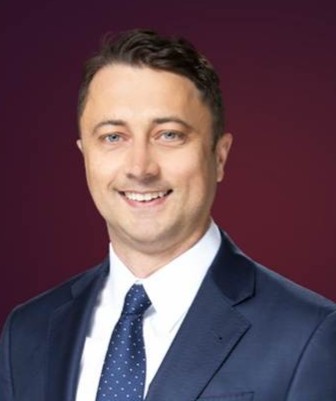
Hosting this session
John Morgan
Partner, Seed IP Law Group
Passionate about the confluence of science, business, and law, John advises biotechnology companies, investors, and research entities on intellectual property matters. Representative subject matter includes large molecules (e.g., antibodies, fusion proteins, oligonucleotide therapies, vaccines), diagnostics, cell and gene therapies, biologics manufacturing, and engineered microorganisms. John is particularly interested in the application of artificial intelligence systems to drug design.
John aligns intellectual property strategies with his clients’ business and technology objectives, applying his natural curiosity, attention to detail, and creativity to patent counseling and strategy (often from benchtop to clinic and beyond), prosecution, landscape and freedom-to-operate analysis, and due diligence. Prior to becoming an attorney, John conducted research at Fred Hutchinson Cancer Center in Seattle, studying cell signaling and tissue patterning in a vertebrate brain model, as well as cell growth genes in an invertebrate model. John received his J.D. summa cum laude from Seattle University School of Law (2014) and his B.S. from the University of Puget Sound.
Next step
Have a question behind the session?
Share what you’re working through. If your company qualifies, we’ll reply personally within 24 hours.
For companies that have raised at least $1M from venture firms.